Review: Black History Month SVG Sublimation for Embroidery
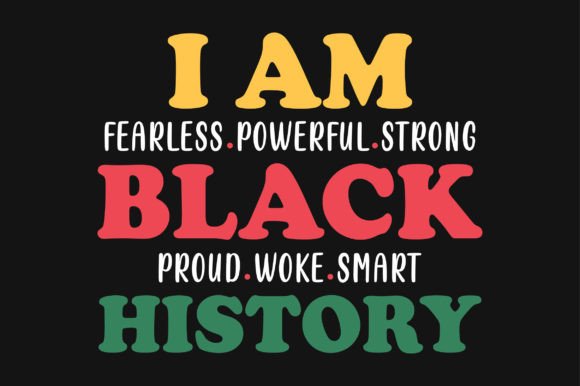
As a designer who spends more time staring at stitch charts than most people care to admit, I approach new design assets with a healthy mix of excitement and skepticism. When I first opened the files for the Black History Month SVG Sublimation pack, my initial thought wasn't about sublimation at all. I immediately started visualizing how these vector shapes would translate into thread. While the product is marketed primarily for heat transfer and printing, the underlying geometry suggests it has serious potential for machine embroidery if handled with the right technical approach.
The mood of this collection is bold and celebratory. The layout relies on strong silhouettes and clear thematic elements that honor heritage without feeling cluttered. For an embroidery project, this is a crucial starting point. Designs that are too busy often turn into a muddy mess of thread breaks and bird nests once stitched out. However, the clean lines here suggest that with proper digitizing or careful manual adjustment, this could become a stunning machine embroidery design for custom apparel.
From Vector to Thread: A Real-World Scenario
Let's walk through a realistic scenario where this design shines. Imagine you run a small boutique shop preparing for February. You want to offer a limited-run personalized gift option—a heavy cotton tote bag featuring a tribute to historical figures or empowering messages. The Black History Month SVG Sublimation files provide the perfect base artwork.
Because the description notes the design is made with 100 vector shapes, the scalability is excellent. In a real production environment, this means you can resize the graphic to fit a 4x4 hoop for a pocket logo or expand it for a full-back sweatshirt embroidery without losing definition. If I were stitching this onto a natural canvas tote, I would likely convert the solid color blocks into dense fill stitch areas, while using satin stitch columns for any outlining text or borders to create texture contrast. The result would be a tactile, high-value handmade product that feels far more premium than a flat print.
For an Etsy seller or creative entrepreneur, the versatility here is key. You aren't just selling a shirt; you are selling a story. Using this design on a structured cap or an apron adds a layer of dimensionality that sublimation alone cannot achieve. The visual personality of the design commands attention, making it ideal for items meant to be worn proudly in public spaces, from community events to daily commutes.
Navigating Fabric and Stitch Challenges
However, moving from a digital Graphics file to a physical embroidery file requires caution. Not every surface is ready for this level of detail. If you plan to use this on stretchy fabrics like jersey knits for baby embroidery projects, you must be vigilant about stabilization. The density of the original vector shapes might translate to heavy thread coverage, which can cause puckering if the fabric isn't supported correctly.
I always advise testing on scrap fabric first. Specifically, check how the design behaves on dark versus light backgrounds. Since the original concept involves sublimation, the colors are likely vibrant. When translating to thread, ensure your thread colors have enough contrast against the garment. A black design on a black sweatshirt might look sleek in a mockup but disappear entirely in real life unless you use metallic or textured threads to create separation.
There are also limitations regarding hoop size and curved surfaces. If you are attempting this on a baseball cap, the curvature can distort wide designs. The 100 vector shapes mentioned in the description might need to be broken down or simplified to fit within the narrow constraints of a cap frame. Tiny lettering or intricate corners, common in commemorative designs, can become problematic if the stitch count is too high for the area. In these cases, consider converting complex details into an applique design method, where you stitch a fabric patch down rather than filling every pixel with thread. This reduces bulk and improves durability for items that will face frequent washing.
Enhancing Brand Value and Customer Trust
The decision to embroider rather than print directly impacts perceived value. A customer holding a tote bag with raised, textured stitching perceives it as a luxury item compared to a flat vinyl transfer. This perception builds customer trust and justifies a higher price point for your craft business. When clients see the precision of a well-executed running stitch outline or a smooth satin column, they recognize the labor and skill involved.
Furthermore, consistency is vital for boutique branding. If you are creating a line of holiday embroidery or seasonal merchandise, using a cohesive design language across different products—pillow covers, tea towels, and wall hangings—strengthens your brand identity. The Black History Month SVG Sublimation set offers a unified aesthetic that can tie a whole collection together. Whether used as a direct reference for digitizing or as a printed underlay for mixed-media projects, it supports a professional presentation.
Practical Notes for the Working Designer
Before committing to a full production run, keep these practical steps in mind:
- Verify Licensing: Always confirm the license terms before selling finished items. Just because a file is editable doesn't automatically grant commercial rights for physical goods.
- Check Density: If you are digitizing this yourself, pay close attention to stitch density. Vector shapes can be deceptively simple; ensure your software doesn't over-pack stitches, which leads to thread breakage.
- Mockup Testing: Create black-and-white mockups to evaluate contrast. Sometimes a design relies too heavily on color differentiation, which gets lost in monochrome stitching.
- Stabilizer Selection: Match your stabilizer to the fabric texture. Heavy designs on light fabrics require cut-away stabilizers to prevent sagging over time.
- File Inspection: The package includes AI, EPS, SVG, and PNG files. Ensure you are working with the vector formats (AI, EPS, SVG) for any resizing or digitizing work to maintain crisp edges.
In conclusion, while the Black History Month SVG Sublimation pack is positioned within the Crafts category for printing, its structural integrity makes it a strong candidate for embroidery adaptation. With thoughtful consideration of fabric choice, stitch types, and finishing techniques, this design can elevate a standard custom apparel order into a meaningful, heirloom-quality piece. It serves as a reminder that good design transcends medium; whether ink or thread, the goal remains to create something that resonates with the viewer and honors the subject matter with dignity and style.