Mini Bunny Retro SVG: A Designer's Take on Spring Embroidery
As a designer who spends more time staring at stitch simulations than most people care to admit, I approach every new digital embroidery file with a mix of curiosity and skepticism. We have all been there: you download a cute graphic, load it into your software, and realize halfway through digitizing that the lines are too close together or the shapes just don't translate well to thread. That is why I was eager to put the Mini Bunny Retro SVG through its paces. This isn't just about whether the image looks good on a screen; it is about whether it holds up as a machine embroidery design on a textured sweatshirt or a wobbly tote bag.
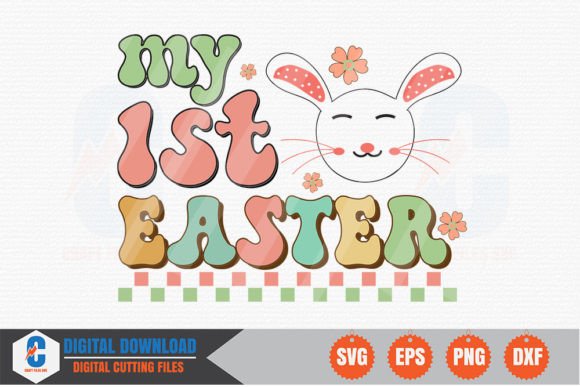
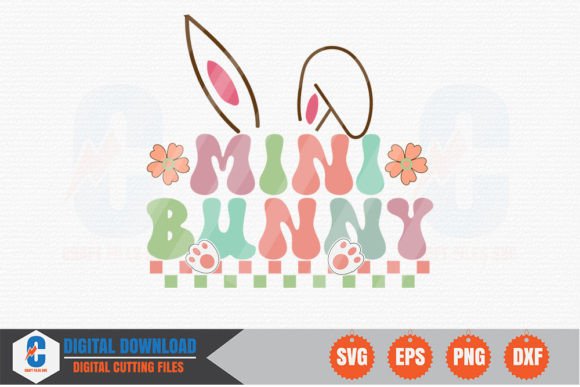
My first impression of the Mini Bunny Retro SVG was defined by its clean, nostalgic aesthetic. The "retro" label often implies heavy outlines or overly complex shading, but this design strikes a nice balance. It feels like a mid-century illustration simplified for modern crafting. The shapes are distinct, which is crucial when you are moving from vector paths to actual stitches. For those of us working in the Crafts and Graphics space, finding a file that retains its personality without demanding impossible stitch counts is a win. The mood is playful yet sophisticated enough for boutique branding, making it a versatile asset for spring collections.
Real-World Application: The Easter Tote Test
To truly evaluate this design, I imagined a specific real-life scenario that many Etsy sellers and small shop product creators face during the spring season: the custom Easter tote bag. Picture a canvas tote in a soft sage green or natural beige. You want something that says "spring" without screaming "cheap souvenir." This is where the Mini Bunny Retro SVG shines.
Because the design is described as 100% editable and color changeable, I visualized swapping the standard colors for a muted, earthy palette—think mustard yellow, burnt orange, and cream. When applied to a tote, the retro style complements the casual nature of the fabric. Unlike hyper-realistic bunny designs that can look out of place on a grocery bag, this graphic feels intentional and stylish. It transforms a basic handmade product into a piece of wearable art. For a craft business, this kind of versatility means you can offer personalization options easily, perhaps adding a name underneath using a complementary font, knowing the base graphic is strong enough to stand alone or support text.
Navigating Fabric Textures and Hoop Constraints
However, no design is perfect for every situation, and practical judgment is key. While the Mini Bunny Retro SVG is excellent for flat surfaces like tote bag designs or pillow covers, caution is needed when moving to trickier materials. If you are planning sweatshirt embroidery on a thick, fleecy fabric, you must consider the stitch density. Retro styles sometimes rely on solid blocks of color. If these areas are too dense, they can cause the fabric to pucker or the stitches to sink into the fleece, losing definition.
I would strongly advise testing this on scrap fabric first, especially if you are working with stretchy knits for baby embroidery projects. Babies move, and their clothes get washed constantly. A design that looks crisp on day one might distort after three wash cycles if the underlay isn't handled correctly. Since the product description confirms you receive SVG, EPS, DXF, and PNG files, you have the flexibility to adjust the size before sending it to your digitizing software. Always confirm the final hoop size fits your machine's capabilities, particularly if you are aiming for a tiny placement on a cap or a pocket.
Curved surfaces present another challenge. If you attempt to place this on a structured cap, the retro lines might warp depending on the curvature of the front panel. The "mini" aspect of the title suggests it is small-scale, which is great for subtle branding but requires precision. Tiny details in retro graphics can sometimes get lost if the thread colors do not have enough contrast against the fabric texture. For dark garments, ensure you are using a bright enough underlay or choosing thread shades that pop, rather than blending in.
Commercial Value and Brand Consistency
For commercial embroidery professionals and creative entrepreneurs, the value of a design often lies in its ability to build brand recognition. The Mini Bunny Retro SVG offers a consistent visual language that can be applied across various design assets. Whether you are creating an embroidered patch for a jacket, a logo for a nursery decor line, or a motif for holiday embroidery gifts, the style remains cohesive.
Customers today appreciate the "handmade" look, but they also expect professionalism. A sloppy stitch job on a cute design ruins the effect. Because this file is editable, you have the control to refine the satin stitch angles or adjust fill stitch directions to match the flow of your specific garment. This attention to detail increases the perceived value of your finished product. When a customer receives a personalized gift featuring a well-executed retro bunny, it builds trust in your shop. They are more likely to return for future custom apparel needs or recommend you to friends.
Final Verdict for the Practical Maker
In conclusion, the Mini Bunny Retro SVG is a solid addition to any designer's library, provided it is used with intention. It excels in applications where its clean lines and nostalgic charm can be appreciated, such as kitchen towels, aprons, and spring-themed printable mockups for online listings. However, success depends on the maker's willingness to test. Do not assume the default settings will work for every fabric. Check the stabilizer requirements, verify the licensing terms for commercial use since the package includes multiple formats, and always run a test stitch-out.
For hobbyists and makers looking to add a touch of whimsy to their projects without sacrificing quality, this design offers a great starting point. It bridges the gap between digital convenience and tactile craftsmanship. Just remember, the file is only as good as the execution. Treat it as a flexible component in your creative process, adapt it to your specific embroidery project needs, and you will find it serves as a reliable tool for creating memorable, high-quality goods.