My 1st Easter Retro SVG: A Designer's Take on Spring Stitching
As someone who spends most of their week staring at digitized files and testing stitch-outs on various fabrics, I approach new design assets with a healthy mix of excitement and skepticism. When I first opened the folder for My 1st Easter Retro SVG, I wasn't just looking for a cute graphic; I was looking for a viable component for a spring collection. In the world of craft business and handmade goods, the difference between a file that looks good on a screen and one that translates beautifully into thread can make or break a product line. This review breaks down how this specific graphic holds up when moved from the digital realm of Crafts and Graphics into the tangible reality of an embroidery project.
The Visual Vibe: Nostalgia Meets Modern Simplicity
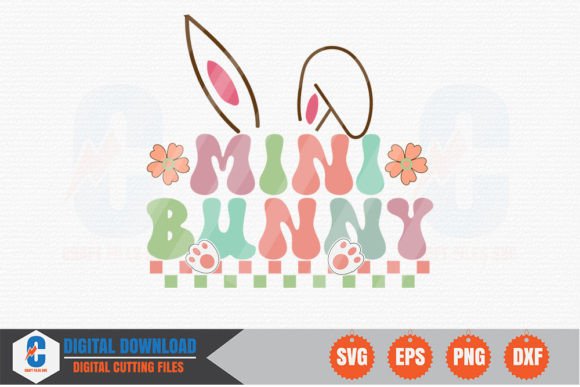
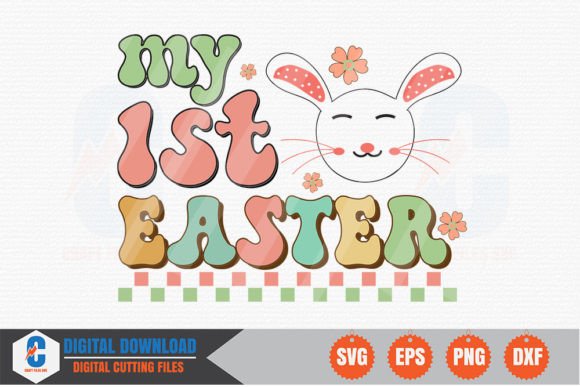
The first thing that strikes you about My 1st Easter Retro SVG is its mood. It captures that specific mid-century modern aesthetic that has become so popular in nursery decor and boutique apparel. The lines are clean, the shapes are bold, and there is a playful simplicity that screams "vintage spring" without feeling dated. For an embroidery designer, this is crucial. Overly complex gradients or tiny, intricate details often get lost in translation when converted to satin stitch or fill stitch. This design, however, relies on strong silhouettes.
Because the file comes as an SVG, EPS, DXF, and PNG, it offers flexibility. While these are vector and raster formats typically used for cutting machines or printing, they serve as excellent foundations for creating custom machine embroidery design files. The "100% Editable" and "100% Color Changeable" claims in the description suggest that the layers are well-organized, which is a massive time-saver. Whether you are tweaking the palette to match a specific brand identity or resizing for a small pocket, the structural integrity of the design seems robust enough to handle modification before you even touch your digitizing software.
Real-World Application: The Baby Onesie Scenario
To truly test the potential of My 1st Easter Retro SVG, I imagined a specific real-life scenario: a custom order for a local boutique needing a run of personalized baby items for Easter. The goal was a high-end look on a soft cotton onesie. This is where the rubber meets the road. A design like this shines on baby embroidery projects because the retro style feels timeless rather than trendy, ensuring the finished product doesn't look outdated next year.
If I were stitching this out, I would likely convert the SVG paths into a combination of satin stitch for the outlines and a light fill stitch for the larger colored areas. The open spaces in the retro style allow the fabric texture to breathe, which is essential for infant wear. On a dark navy onesie, using bright pastel thread colors would create a stunning contrast, making the design pop. Conversely, on a white garment, using tonal threads would give a subtle, sophisticated nod to the holiday without being overwhelming. This versatility makes it a strong candidate for personalized gift lines where customers demand variety.
Expanding Beyond Baby Gear
While baby clothes are an obvious choice, the utility of this graphic extends far further. Imagine applying this to a canvas tote bag design. The bold lines would hold up well against the coarse weave of canvas, provided the stitch density is managed correctly to prevent puckering. It would also work exceptionally well as an embroidered patch. By adding a merrow edge border during the digitizing phase, My 1st Easter Retro SVG could become a standalone accessory for jackets or backpacks, appealing to a younger demographic looking for holiday embroidery that isn't childish.
For Etsy seller accounts focusing on home goods, this design is a goldmine for pillow covers and kitchen towels. The retro aesthetic fits perfectly with current interior design trends. However, when moving to textured fabrics like waffle-weave towels, one must be cautious. The smooth vectors of the original Graphics file need to be adjusted to account for the uneven surface, perhaps by increasing the underlay or simplifying small details to ensure every stitch lands where it should.
Technical Considerations and Potential Pitfalls
No design is without its challenges, and honest evaluation requires addressing where My 1st Easter Retro SVG might trip up an inexperienced user. Since the source files are vectors and images, not pre-digitized embroidery files (like .PES or .DST), the responsibility of stitch density and underlay lies entirely with the embroiderer. If you attempt to fill large areas too densely on a stretchy fabric like a sweatshirt, you risk distorting the garment. Sweatshirt embroidery requires a lighter touch and often a cut-away stabilizer to maintain shape after washing.
Another area of caution is scale. The "retro" look often depends on specific proportions. If you shrink this design too much for a small hoop size application, such as on a cap or a sock, fine lines might merge. Curved surfaces like caps present their own challenge; the design needs to be pushed or pulled in the digitizing software to compensate for the curvature, otherwise, the final result may look warped. Always test on scrap fabric that matches your final material. What looks crisp on a stable cotton might behave differently on a fleece-lined hoodie.
Maximizing Value and Professionalism
Ultimately, the value of My 1st Easter Retro SVG lies in its ability to elevate the perceived quality of your small shop product. In a market saturated with generic clipart, using a well-structured, editable retro design allows for a level of customization that builds customer trust. When a client sees that you can tweak the colors to match their nursery theme or resize the graphic perfectly for a specific pocket, they see professionalism. It transforms a standard custom apparel item into a bespoke piece.
For those creating printable mockup previews for their online stores, the included PNG and EPS files are invaluable. They allow you to showcase the design on various backgrounds before committing to thread, helping to gauge buyer engagement and visual appeal. Just remember to verify the licensing terms regarding commercial use. While the description highlights editability, confirming that you can sell the finished product or use the design in commercial embroidery projects is a necessary step before launching a new collection.
In conclusion, My 1st Easter Retro SVG is a versatile, mood-setting asset that bridges the gap between digital creativity and tactile craftsmanship. With careful attention to fabric choice, stabilizer selection, and digitizing techniques, it has the potential to be a standout feature in your spring lineup. It invites the maker to experiment, offering a solid foundation upon which to build unique, high-quality handmade treasures.